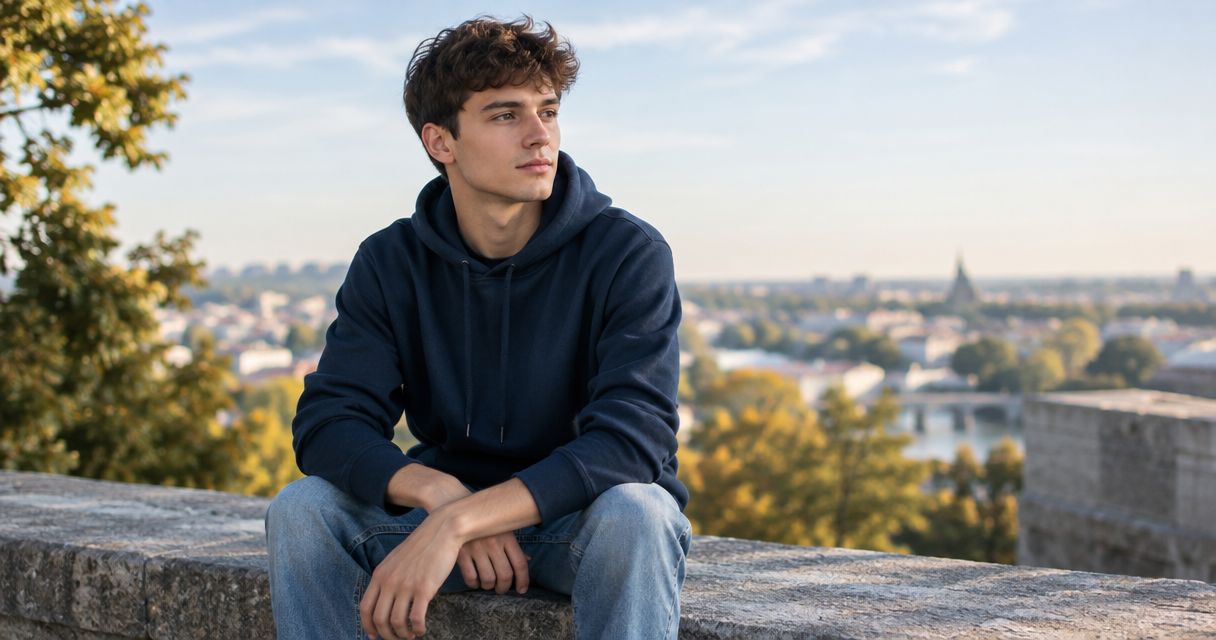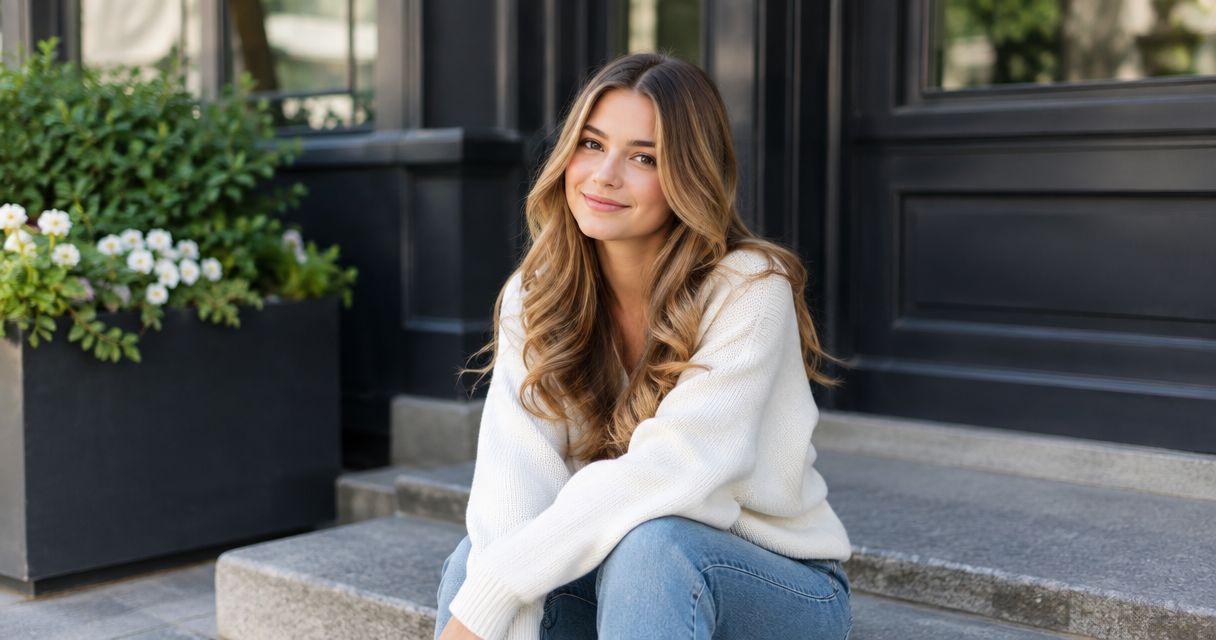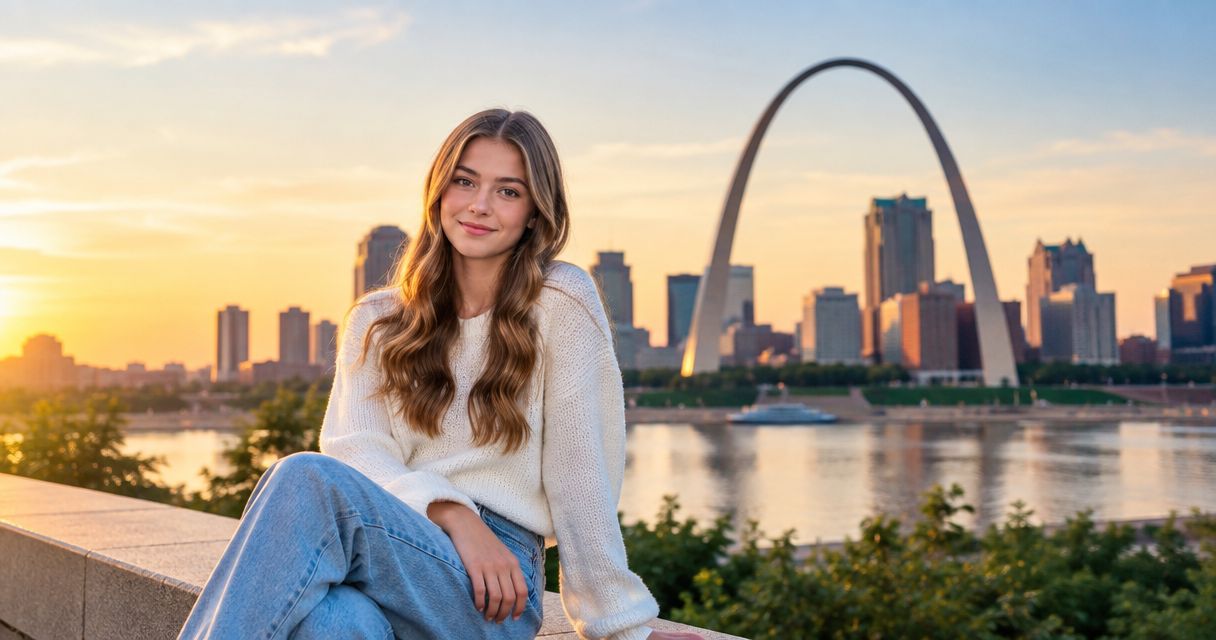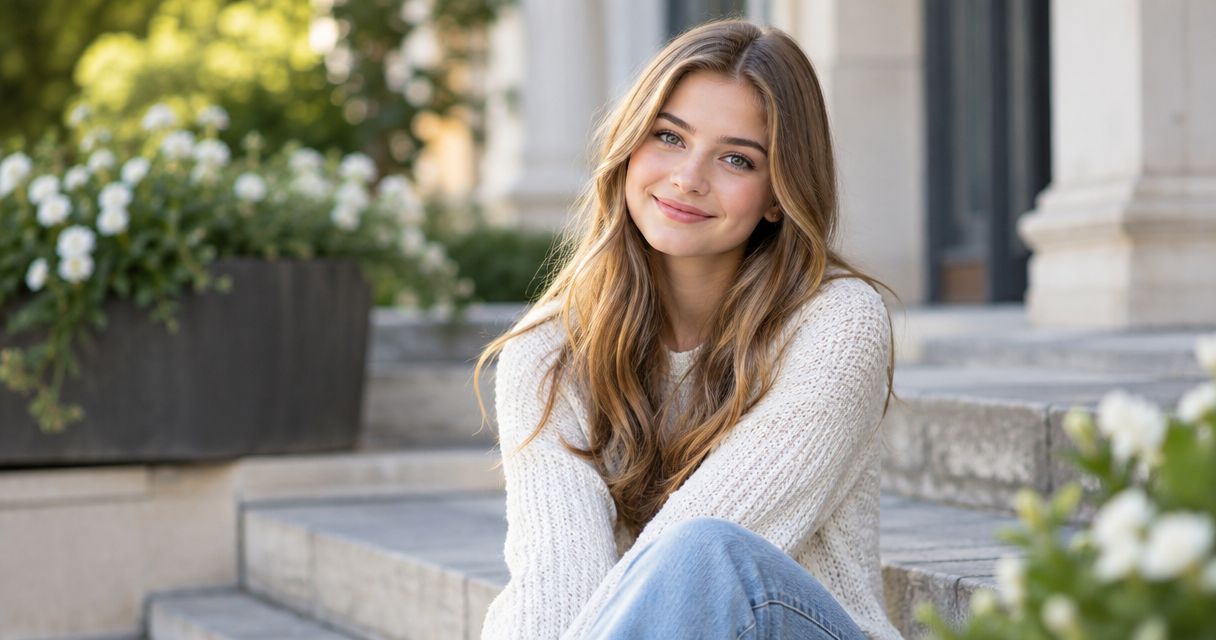
The best senior picture poses for girls in 2026 start with a relaxed, angled standing pose. Best for natural movement: a slow walk; best without props: a seated pose with relaxed hands—this guide helps you choose a starting pose, understand its limitations, and plan a senior session in St. Louis.
- The best senior picture poses for girls start with an angled standing pose: simple, adaptable, and easy to adjust.
- Choose walking portraits for movement, seated portraits for stillness, and cap-and-gown portraits for a graduation announcement.
- Use the 4KDonskie portfolio as a conversation starter, then describe the senior portraits you want.
- Pick poses around your clothes, comfort, and setting—not someone else's body shape.
Why your pose choices matter
A senior portrait should look like you, not like you are demonstrating a pose. Your expression, posture, and surroundings need to work together; a complicated position can distract from all three.
For your 2026 session, start with a short list rather than a folder full of unrelated references. Choose 3 starting poses: one standing, one seated, and one with movement. These are planning suggestions, not a requirement to perform each pose perfectly.
Look through 4KDonskie before discussing your session, and explain what you like about your references. Mention the expression, framing, or mood instead of asking to copy another senior's photograph exactly.
What makes the best senior portrait poses?
The strongest pose gives you something manageable to do while leaving room for your personality. Use these criteria to choose your shortlist:
- Comfort: You can hold the position without straining your shoulders, knees, or neck.
- Clear hand placement: Your hands have a resting place or a simple task rather than an elaborate arrangement.
- Expression flexibility: The pose works with a smile, a thoughtful expression, or a laugh.
- Outfit compatibility: You can sit, turn, or walk without constantly adjusting your clothes.
- Location fit: The pose suits the ground, available seating, and permitted access.
- Personal meaning: The finished picture connects to your graduation, interests, or everyday style.
Avoid choosing a pose only because it looks impressive online. A reference is useful when you can explain what appeals to you and adapt it to your own session.
Senior portrait poses at a glance
This 2026 shortlist ranks poses by how easily they provide a useful starting point. Each option fills a different role; you do not need to include every one.
| Pose | Best for | Standout feature | Key limitation |
|---|---|---|---|
| Angled standing pose | A first portrait | Simple posture with several expression options | Locked knees and raised shoulders look stiff |
| Seated pose | A calm, conversational portrait | Gives hands and feet a resting place | Depends on suitable seating and clothing |
| Slow walking pose | Natural movement | Replaces a held pose with an action | Needs a clear, safe path |
| Look-back pose | An outfit-focused portrait | Adds a turn without a full walking sequence | An exaggerated neck turn feels strained |
| Cap-and-gown pose | A graduation announcement | Makes the graduation milestone explicit | Accessories can compete with your face |
| Hands-in-pockets pose | Everyday personal style | Gives hands a straightforward task | Only works when pockets are usable |
| Meaningful-prop pose | A portrait about your interests | Includes something personally relevant | A large prop can dominate the frame |
1. Angled standing pose: best for your first senior portrait
Stand with your torso slightly turned rather than square to the camera. Keep your knees relaxed and let your face return toward the photographer without forcing your shoulders to follow.
This is a useful starting point because you can change your expression without rebuilding the whole pose. Let one hand rest at your side and give the other a comfortable place near a pocket or along your clothing.
Angled standing pose pros:
- Works without furniture or accessories.
- Leaves room for both smiling and quiet expressions.
- Makes small posture adjustments straightforward.
Angled standing pose cons:
- Locked knees create a rigid stance.
- An exaggerated lean can feel unnatural.
Best for: Your opening portrait when you want something simple before trying movement.
Verdict: Use the angled standing pose as your default; skip a dramatic lean unless it feels comfortable.
2. Seated pose: best for a calm, conversational portrait
Choose a stable seat that you are allowed to use, then sit where your feet feel supported. A bench, chair, or suitable step can work, but the surface needs to suit your clothing and the setting.
Rest your hands on your lap or knees without pressing them flat. Think of listening to someone you like rather than holding a formal pose; keep your head and shoulders free to move.
Seated pose pros:
- Provides a clear resting place for your hands.
- Changes the composition without changing outfits.
- Supports a quieter, less performative expression.
Seated pose cons:
- Some outfits restrict comfortable sitting.
- An unsuitable seat can cause awkward posture.
Best for: A thoughtful portrait with a relaxed, conversational feel.
Verdict: Use a seated pose when the seat and outfit cooperate; skip uncomfortable surfaces.
3. Slow walking pose: best for natural movement
Walk along a clear path while the photographer directs where to look. Keep your pace easy, let your arms move naturally, and avoid treating the moment like a runway performance unless that is the style you want.
Try a short 2-step movement as a starting exercise, then pause and reset. This is a suggested action, not a timing rule; the photographer should guide the movement around the composition.
Slow walking pose pros:
- Gives you an action instead of a position to hold.
- Introduces movement into hair and clothing.
- Creates a different feel from standing portraits.
Slow walking pose cons:
- Uneven ground limits the setup.
- Watching every footstep can distract from your expression.
Best for: A lively portrait when standing still makes you self-conscious.
Verdict: Use a slow walk on safe ground; skip traffic, unstable surfaces, and forced strides.
4. Look-back pose: best for showing an outfit in context
Turn partly away, then look back only as far as your neck comfortably allows. Keep your shoulders relaxed and let the photographer adjust the camera position instead of forcing a bigger twist.
This pose gives a jacket, dress, or other outfit detail a place in the picture while keeping your expression involved. Check that the clothing sits comfortably before holding the turn.
Look-back pose pros:
- Offers a different view of your outfit.
- Adds variety without requiring continuous movement.
- Works with either a smile or a neutral expression.
Look-back pose cons:
- Too much rotation strains the neck.
- Hair can fall across your face during the turn.
Best for: A style-focused image that still feels like a portrait.
Verdict: Use a gentle look-back; skip any turn that requires you to strain.
5. Cap-and-gown pose: best for a graduation announcement
Start with a still portrait wearing your graduation clothing, if you want it included. Hold the cap at your side or wear it as intended, then check that the tassel and gown do not distract from your face.
For a 2026 graduation portrait, the milestone already provides the story. You do not need a complicated action or a cap toss to make the image meaningful.
Cap-and-gown pose pros:
- Clearly connects the portrait to graduation.
- Gives your hands a task when holding the cap.
- Creates a distinct image alongside everyday outfits.
Cap-and-gown pose cons:
- A shifting cap interrupts expressions.
- A gown can hide outfit details you want visible.
Best for: An announcement or family keepsake centered on graduation.
Verdict: Use a still cap-and-gown portrait first; skip a toss when space or safety is uncertain.
6. Hands-in-pockets pose: best for everyday personal style
Use pockets that comfortably fit your hands without pulling the garment out of shape. Keep your elbows loose and decide whether a partial hand placement feels better than placing both hands fully inside.
This pose suits an outfit you would genuinely wear. If the pockets are decorative or difficult to reach, choose another hand position instead of making the clothes dictate an awkward posture.
Hands-in-pockets pose pros:
- Gives your hands a clear place to go.
- Supports a casual expression.
- Keeps the focus on you rather than a prop.
Hands-in-pockets pose cons:
- Tight pockets can distort clothing.
- Raised shoulders make the position look tense.
Best for: A casual portrait built around your everyday style.
Verdict: Use comfortable pockets; skip the pose when your clothing pulls or your shoulders rise.
7. Meaningful-prop pose: best for showing your interests
Choose an object connected to something you actually enjoy, such as a ball, an instrument, or a sketchbook. Hold or use it in a familiar way rather than arranging it as a decoration.
Start with the object below your face or beside you so your expression remains visible. Explain its significance to the photographer, especially if the detail matters more than the object's overall appearance.
Meaningful-prop pose pros:
- Gives the portrait a personal reference.
- Offers a familiar action for your hands.
- Adds a story beyond clothing and location.
Meaningful-prop pose cons:
- A large object can obscure your posture.
- Unfamiliar handling makes the picture feel staged.
Best for: A senior portrait connected to sports, creative work, or another personal interest.
Verdict: Use a prop that means something to you; skip objects chosen only to fill the frame.
How these poses are ranked
The angled standing pose comes first because it needs no seat, path, or accessory. The remaining options answer different needs: seated portraits favor stillness, walking portraits add action, and graduation clothing or personal objects add context.
The order reflects the comfort, hand placement, outfit, location, and personal-meaning criteria above. It is not a score of anyone's appearance, and the best choice changes with what you want the picture to say.
Plan your St. Louis senior session around the poses
Before choosing a St. Louis location, connect your shortlist to practical requirements. Walking needs a clear path, sitting needs a suitable surface, and graduation accessories need somewhere to rest between photographs.
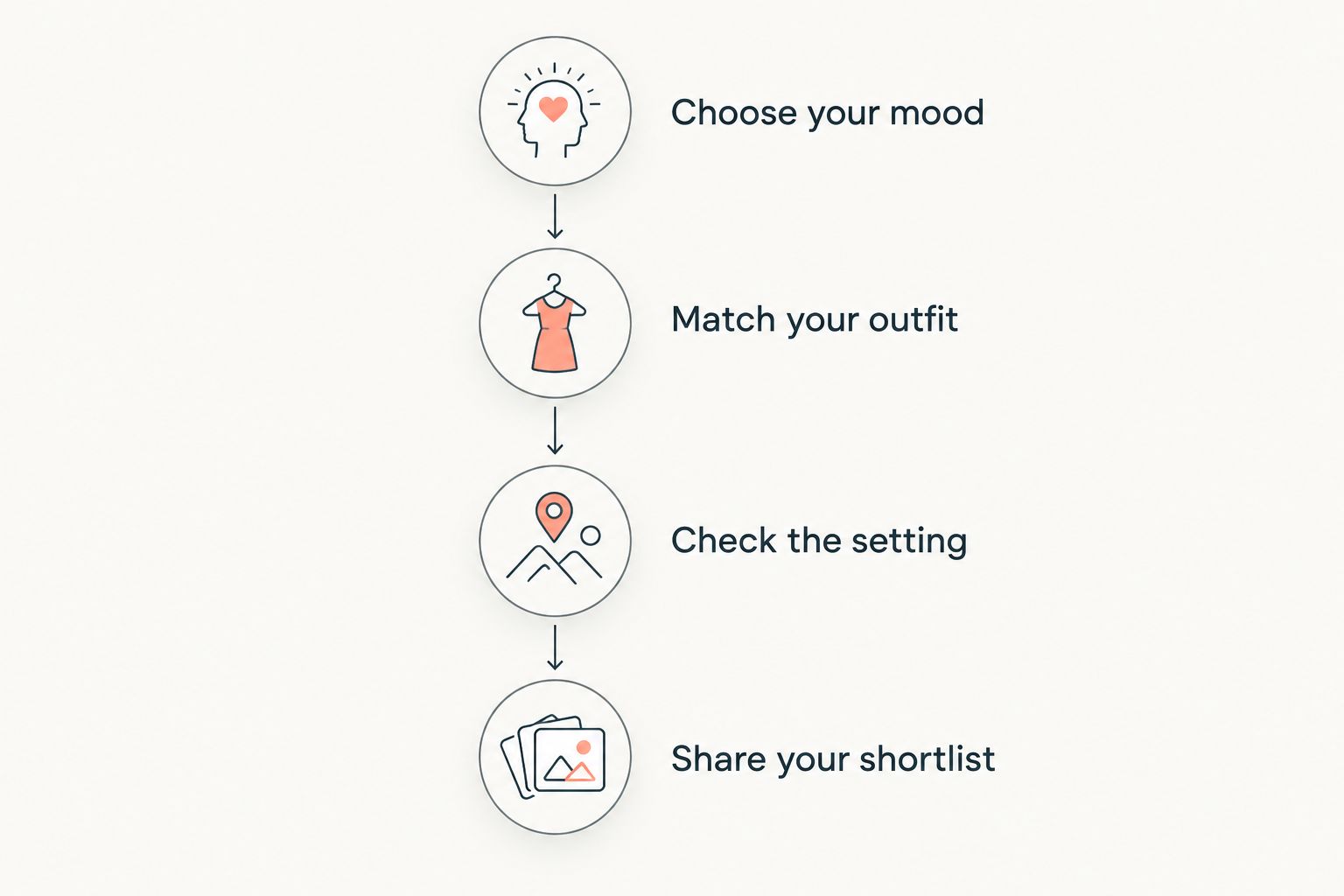
Use this sequence for your 2026 planning conversation:
- Choose your mood: Decide whether you want casual, celebratory, thoughtful, or style-focused portraits.
- Match your outfit: Check whether you can sit, walk, and turn comfortably in what you plan to wear.
- Check the setting: Confirm access, photography rules, ground conditions, and a weather alternative for outdoor plans.
- Share your shortlist: Send references with a brief explanation of what appeals to you.
The setting should support the portrait rather than compete with it. Do not assume a public-looking space allows every setup or that an outdoor session has an automatic indoor alternative.
When you inquire with 4KDonskie, include your graduation timing, preferred area, outfit ideas, and any accessibility or comfort needs. Ask directly about session details, image delivery, and location arrangements rather than assuming they are included.
Start your senior portrait conversation
Review the portfolio, then prepare your pose references and questions for a session inquiry.
Which senior portrait pose should you choose?
Choose the angled standing pose if you are undecided. Add a seated portrait for a quieter mood and a walking portrait if movement feels more natural to you.
For senior portrait planning with 4KDonskie, a comfortable pose is a better starting point than a complicated imitation. Bring your preferences, but leave room for direction; a reference should start the conversation, not restrict every photograph.
FAQ
What's the best senior picture pose for girls who feel awkward?
A relaxed, angled standing pose is a simple starting point. Keep your knees soft, give your hands a resting place, and ask the photographer to guide small adjustments rather than holding a complicated position.
What should I do with my hands in senior pictures?
Give your hands a comfortable resting place or a familiar task. Rest them on your lap, use suitable pockets, or hold a meaningful object without gripping it tightly.
Are seated poses better than standing poses for senior portraits?
Seated poses are better for a calm portrait when the seat and outfit are comfortable. Standing poses offer a simpler setup when suitable seating is unavailable or you want more freedom to turn.
Should I smile in every senior picture?
You do not need to smile in every senior picture. Ask for a mix of expressions that feel like you, including a natural smile and a quieter look rather than forcing the same expression throughout.
What should I bring for my 2026 senior portrait session?
Bring the clothing and personal items agreed on for your session. If graduation pictures are part of your plan, discuss the cap and gown in advance, and keep your pose references easy to find.
How do I choose a St. Louis location for senior pictures?
Choose a St. Louis location that supports your preferred poses and permits the planned photography. Check access, suitable seating or walking space, and weather arrangements before treating the location as confirmed.
How do I prepare for a senior portrait inquiry with 4KDonskie?
Prepare your preferred timing, general location, outfit ideas, and a short pose reference list before contacting 4KDonskie. Ask about session arrangements and image delivery directly, and explain any comfort or accessibility needs.
One last thing
Choose one reference photograph for its expression, not its pose. A natural smile or attentive look gives you something more personal to discuss than the exact angle of an elbow.
Before your 2026 session, practice your shortlist for 5 minutes as a comfort check, not a rehearsal for perfection. Remove any position that hurts or requires constant adjustment, and tell your photographer what felt easy.