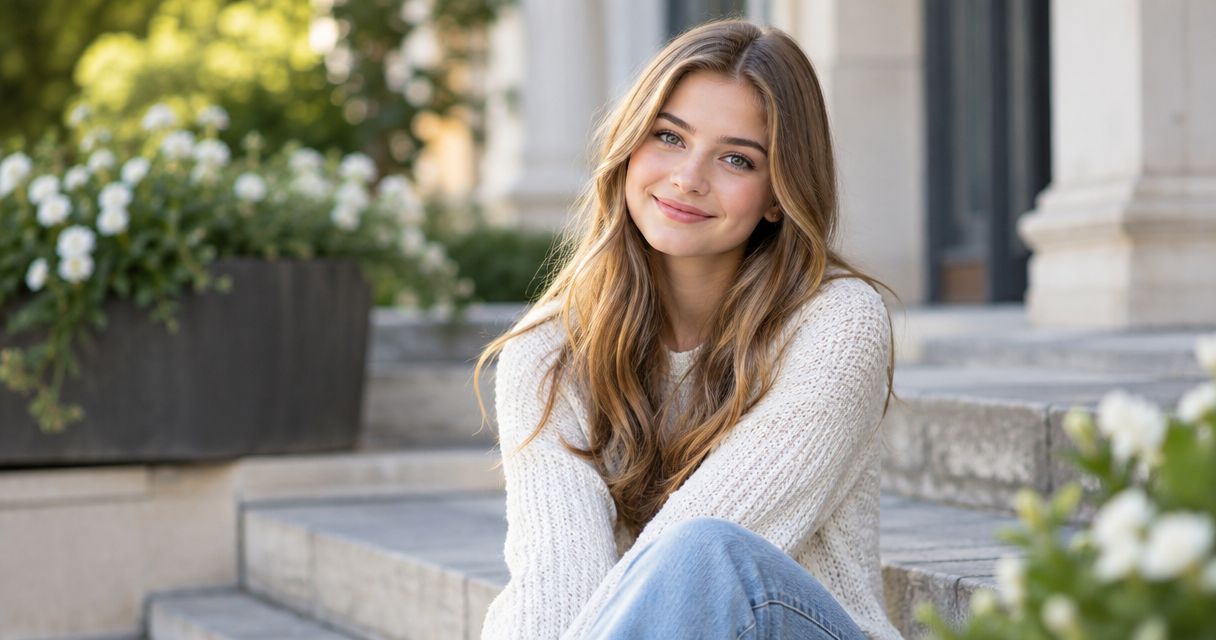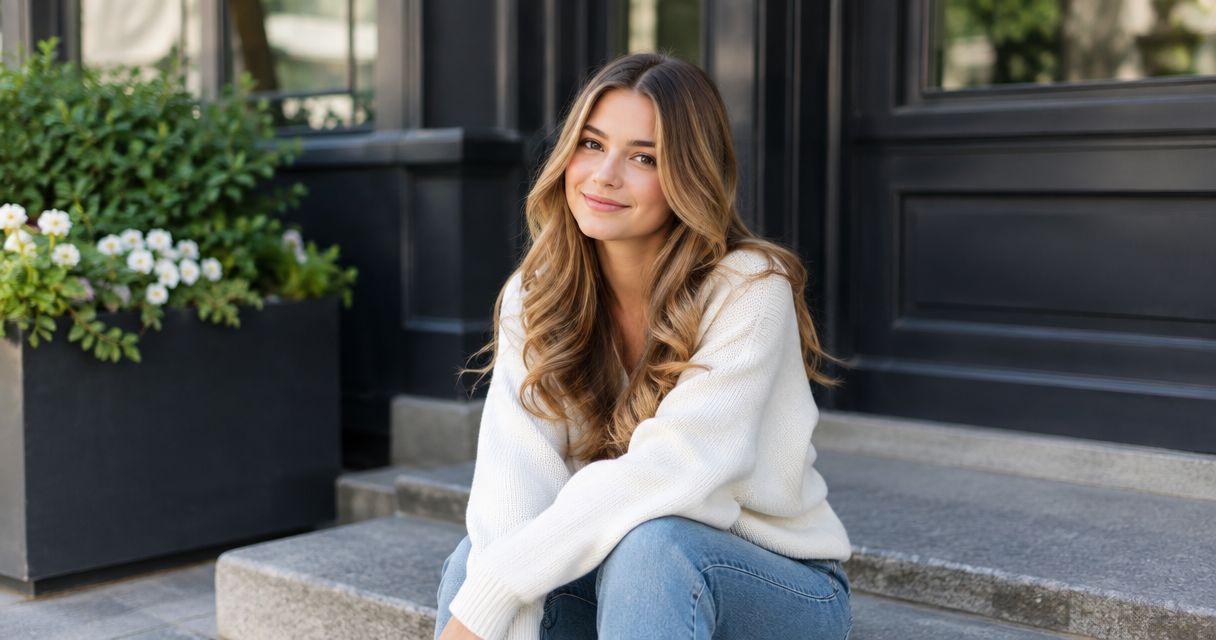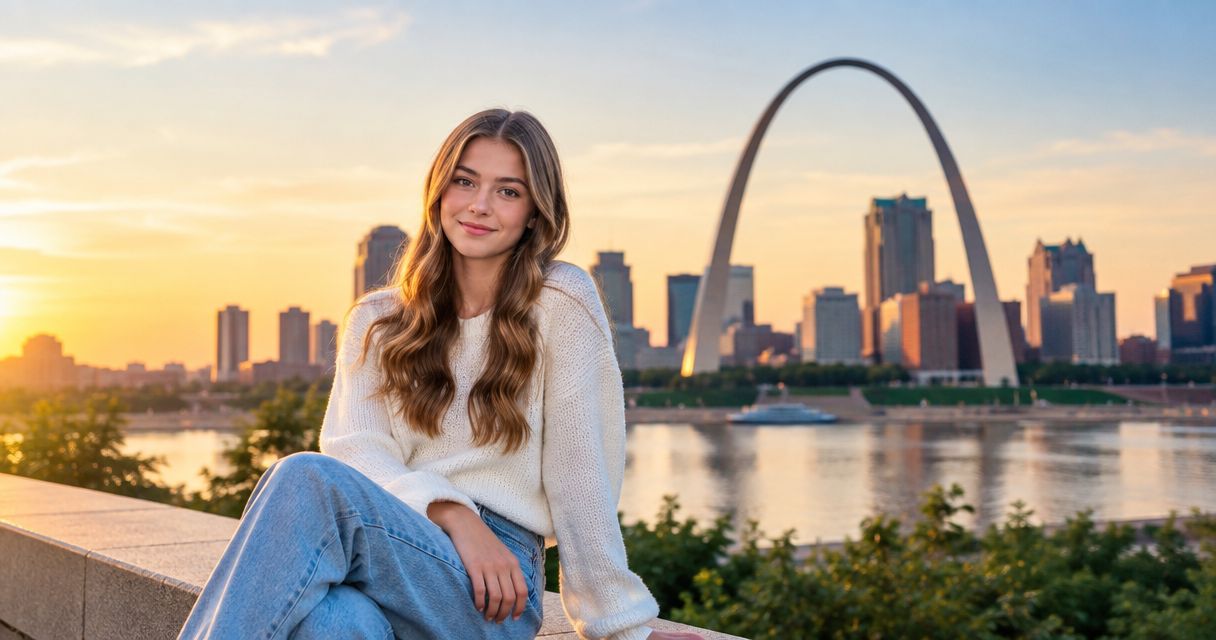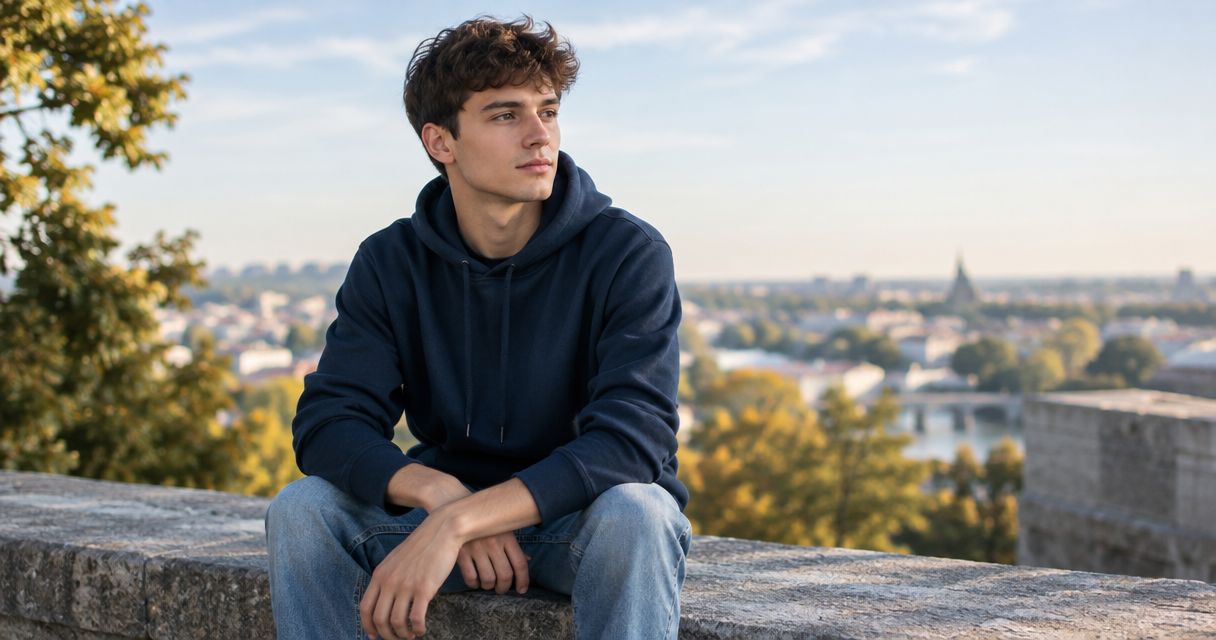
Best overall: a relaxed standing pose. Best for camera-shy seniors: a walking pose. Best without props: a seated lean. The best senior picture poses for guys in 2026 give you something comfortable to do, rather than a shape to hold; start with 4KDonskie when exploring photography for your senior portraits.
- The best senior picture poses for guys start with relaxed standing, walking, and seated positions.
- Choose walking when holding still makes your expression feel forced.
- Use sports gear or graduation clothing when those details tell your story.
- For 2026 senior portraits, choose comfortable movement before complicated posing.
Why this matters
Your senior pictures should look like you, not like someone demonstrating how to stand. A useful pose gives your hands a job, puts your body in a comfortable position, and leaves room for an expression that feels familiar.
For a St. Louis or Missouri session, choose poses alongside your setting. A seated portrait needs a safe place to sit; a walking portrait needs a clear route. Neither requires a dramatic backdrop to work.
4KDonskie is a photography and videography option for prospective senior portrait clients. Before booking, ask to see relevant work and discuss how much direction you want during your session. Bring references as conversation starters, not instructions to copy another person's body language exactly.
What makes the best senior picture poses for guys?
Use these criteria to choose your starting poses for a 2026 session:
- Comfort: You can breathe, shift your weight, and relax your shoulders without losing the pose.
- Hand placement: Your hands have a clear resting place instead of hovering or gripping clothing tightly.
- Expression: The position works with a smile, a neutral expression, or a glance away.
- Personal meaning: Clothing, equipment, and gestures connect to your actual interests.
- Setting fit: The pose suits the ground, available seating, and permission to use the location.
- Variety: Each choice adds a different view or feeling instead of repeating the same standing photograph.
Start with 3 poses: one standing, one moving, and one seated. That is a planning recommendation, not a required shot count. You can build from those foundations once you know what feels comfortable.
Senior portrait poses at a glance
The ranking below prioritizes an easy starting point, then separates the remaining poses by purpose. Pick the use case that sounds like you; you do not need to attempt every option.
| Pose | Best for | Standout feature | Key limitation |
|---|---|---|---|
| Relaxed standing | A first portrait | Simple weight shift and clear hand placement | Can feel static without expression changes |
| Walking | Camera-shy seniors | A real action instead of a held position | Needs a clear, safe walking route |
| Seated lean | Casual portraits without props | Gives your hands and elbows resting places | Seat height affects posture |
| Shoulder turn | Showing an outfit | Changes the body angle without a new location | A forced twist looks uncomfortable |
| Wall lean | An architectural setting | Creates a clear relationship with the backdrop | Rough or dirty surfaces can mark clothing |
| Sports stance | Athletic identity | Connects posture with familiar equipment | Can become an equipment photo instead of a portrait |
| Jacket adjustment | Fashion-focused portraits | Gives your hands a purposeful movement | Repeating the action feels staged |
| Cap-and-gown stance | Graduation announcements | Makes the milestone immediately recognizable | Graduation clothing can hide outfit details |
1. Relaxed standing: best senior portrait pose for a first frame
A relaxed standing pose is the best default when you do not know what to do first. Put your weight comfortably onto one leg, soften the other knee, and let your shoulders settle. Give one hand a resting place, such as a pocket opening, while the other hangs naturally.
Keep your chin comfortable rather than lifting it to look confident. Confidence comes through more clearly when you are not fighting the position.
Relaxed standing pros:
- Works without a chair, prop, or special backdrop.
- Gives you a simple starting point for changing expressions.
- Allows both full-length and closer compositions.
Relaxed standing cons:
- Locked knees and raised shoulders make the pose stiff.
- Repeated pocket placement can make every frame look similar.
Best for: Your opening photographs and a dependable portrait for announcements.
Verdict: Use relaxed standing first. Once you feel settled, change your gaze or hand placement before changing the entire pose.
2. Walking: best senior portrait pose for camera-shy guys
A walking pose gives you a task instead of asking you to perform confidence on demand. Walk at a comfortable pace along a clear path, then let the photographer guide where you look and when you pause.
For a St. Louis session, choose a route where you can move without stepping into traffic or blocking other people. Do not walk backward toward the camera just to imitate a reference picture.
Walking pose pros:
- Gives your arms and shoulders a natural reason to move.
- Supports looking ahead, away, or toward the camera.
- Breaks up a session dominated by still poses.
Walking pose cons:
- Uneven ground can distract you from the photograph.
- Looking down constantly hides your expression.
Best for: Seniors who feel awkward holding a smile or standing still.
Verdict: Use walking when stillness feels forced. Let the action stay ordinary; an exaggerated stride usually feels less like you.
3. Seated lean: best senior portrait pose without props
Sit on a stable bench, step, or chair with your feet supported. Lean forward comfortably from your hips, resting your forearms loosely on your thighs rather than folding yourself over your knees.
This pose gives your hands somewhere to go without bringing an object. Check the seat for moisture or dirt before sitting, especially when your outfit also needs to work for standing portraits.
Seated lean pros:
- Provides clear resting places for hands and elbows.
- Adds a different body position to the gallery.
- Suits both a quiet expression and a smile.
Seated lean cons:
- A low seat can crowd your knees toward your chest.
- Slouching can bunch clothing and hide your neckline.
Best for: Casual portraits when you want to travel light.
Verdict: Use the seated lean for a comfortable reset. Skip a seat that forces your posture; the setting should support the portrait, not dictate it.
4. Shoulder turn: best senior portrait pose for showing your outfit
Start standing with your body angled away from the camera, then turn your face back comfortably. Keep the movement small enough that your neck and shoulders remain relaxed.
A shoulder turn changes the view of a jacket, shirt, or layered outfit without requiring another location. If the position feels strained, turn your feet and torso closer to the camera instead of twisting farther.
Shoulder turn pros:
- Shows clothing from a different angle.
- Adds variety beside a straight-on portrait.
- Works with hands relaxed or lightly resting at a pocket.
Shoulder turn cons:
- Turning too far creates visible neck tension.
- A raised shoulder can crowd your face.
Best for: Seniors who want their outfit to be part of the portrait.
Verdict: Use a small shoulder turn, not a dramatic twist. Choose comfort over copying the exact angle in a reference photo.
5. Wall lean: best senior portrait pose for an architectural setting
Stand beside a clean, permitted wall and rest a shoulder or your upper back lightly against it. Keep your feet stable and avoid pressing your head into the surface.
The wall creates a place to settle, but it should not become a crutch. For Missouri location planning in 2026, check access and surface condition before making this pose central to your session.
Wall lean pros:
- Gives the pose a clear relationship with the location.
- Works with casual clothing and a relaxed expression.
- Allows simple changes in gaze and foot position.
Wall lean cons:
- Rough surfaces can snag or mark clothing.
- Heavy leaning can pull your shoulders into an awkward position.
Best for: Seniors who prefer an architectural backdrop to an open landscape.
Verdict: Use a light wall lean where access is permitted. Skip the pose when the surface is dirty, unstable, or uncomfortable.
6. Sports stance: best senior portrait pose for athletic identity
Use a piece of equipment you actually know how to hold. Start with a familiar resting stance rather than staging a complicated action, and keep your face visible.
A ball, racket, or other relevant item should explain something about you. If you also want signing-day photographs, distinguish the ceremony you want documented from the senior portrait you want created; they need different planning conversations.
Sports stance pros:
- Connects the photograph to a real interest.
- Gives your hands a familiar task.
- Adds a personal detail beyond the setting and outfit.
Sports stance cons:
- Equipment can cover your face or dominate the frame.
- An unfamiliar stance looks performed rather than personal.
Best for: Seniors whose sport is an important part of their school experience.
Verdict: Use familiar equipment and a recognizable resting stance. Leave difficult action photographs for a separate discussion about space and safety.
7. Jacket adjustment: best senior portrait pose for a fashion-focused look
Lightly adjust a cuff, jacket edge, or collar, then let the movement finish. The photograph does not need you to keep pulling at the same piece of clothing.
This works best when the adjustment is something you would naturally do. A clean resting position afterward often feels more comfortable than holding the gesture indefinitely.
Jacket adjustment pros:
- Gives both hands a purposeful action.
- Draws attention to clothing details.
- Creates a transition into another standing portrait.
Jacket adjustment cons:
- Tight gripping can distort the garment.
- Repeating the gesture can look like a staged routine.
Best for: Seniors who enjoy fashion and want an intentional outfit-focused frame.
Verdict: Use one natural adjustment, then release it. If you never wear a jacket, choose a different pose rather than building an outfit around this one.
8. Cap-and-gown stance: best senior portrait pose for announcements
Stand comfortably with the gown settled, then choose a clear hand position: loosely together, relaxed at your sides, or holding the cap if you are not wearing it. Keep anything you hold away from your face.
For 2026 graduation announcements, think about the final layout before the session. Tell the photographer whether you need space beside you for text or a portrait that works in a vertical design.
Cap-and-gown stance pros:
- Clearly identifies the graduation milestone.
- Works with a straightforward, camera-facing expression.
- Gives announcement planning a specific visual starting point.
Cap-and-gown stance cons:
- Loose fabric can hide your underlying outfit.
- A cap can sit awkwardly if you keep adjusting it between frames.
Best for: Graduation announcements and family keepsakes centered on the milestone.
Verdict: Use a simple cap-and-gown stance for the occasion. Add an ordinary-clothes portrait so the session also records your everyday style.
How these poses are ranked
Relaxed standing leads because it needs no supporting surface or object. Walking follows for seniors who prefer an action; seated leaning offers a different posture without personal equipment.
The remaining options serve narrower purposes: outfit details, architecture, athletics, fashion, and graduation clothing. This is a ranking by usefulness to your session, not a claim that one posture suits every person.
Which senior portrait poses should you choose?
Choose relaxed standing as your default, walking for movement, and seated leaning for contrast. Then add the specialty pose that belongs to your life, whether that means sports equipment or graduation clothing.
When contacting 4KDonskie about senior portraits, describe your priorities plainly. Say whether you want help with posing, which images you expect to use for announcements, and what you want family members to recognize about you.
Keep your planning list manageable:
- 2 outfits: Consider one everyday look and one more dressed-up look; confirm outfit changes before booking.
- 1 personal item: Bring something meaningful rather than collecting props for every pose.
- 3 pose references: Share a standing, moving, and seated example, and explain what you like about each.
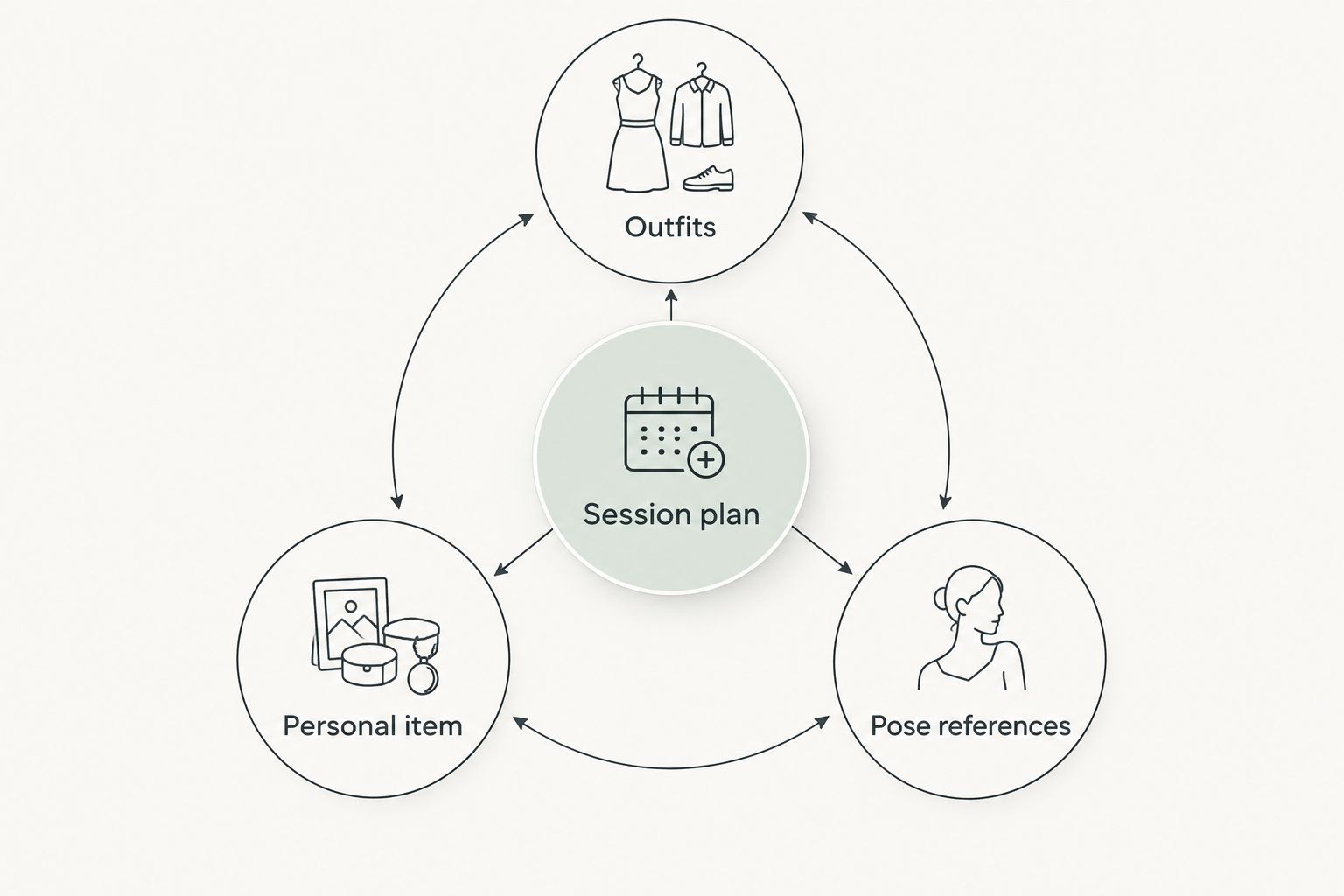
Discuss your preferred St. Louis or Missouri setting, access requirements, weather backup, and intended use of the photographs. Ask 4KDonskie to confirm the details that apply to your request before you commit; a reference gallery alone does not establish what a booking includes.
FAQ
What's the best senior picture pose for a guy who feels awkward?
Walking is a useful starting pose when holding still feels awkward. Choose a clear route and let the photographer guide your gaze, pace, and pauses.
Where should I put my hands in senior pictures?
Give your hands a comfortable resting place, such as a pocket opening or your thighs when seated. Keep your grip loose, and change positions if your shoulders start to tense.
Should guys smile in senior portraits?
Choose expressions that feel familiar, including both a smile and a relaxed neutral look. You do not need to hold the same expression throughout the session.
What should I wear for senior portraits in St. Louis?
Choose clothing that fits comfortably and reflects how you want to remember yourself. Discuss your setting and any outfit changes with the photographer before finalizing your choices.
Can I bring sports equipment to senior pictures?
Ask your photographer about bringing equipment connected to your sport. Choose an item you handle comfortably, and discuss any action photographs separately from resting portraits.
Should I wear my cap and gown for 2026 senior pictures?
Use your cap and gown when you want portraits that clearly mark graduation. Include an ordinary-clothes look if you also want photographs that show your everyday style.
How do I ask 4KDonskie about senior portraits?
Share your graduation year, preferred location, intended use of the pictures, and the amount of posing guidance you want. Ask to see relevant photography and confirm booking details directly.
One last thing
Choose references for their feeling, not their exact limb placement. Before your session, try your favorite pose in your actual outfit: sit down, stand up, and move your arms. If you spend the whole time fixing the clothing, change the outfit or the pose.
For your 2026 portraits, bring one detail you genuinely care about. A familiar object or an easy expression gives the photograph meaning that a complicated stance cannot supply.